
Analyzing the China AI Model Behind Kimi K3's Release and Peak Performance
A deep dive into Moonshot AI's open-source 2.8-trillion parameter Kimi K3 model, examining China's strategic AI paradigm, industrial infrastructure, and global ecosystem impact.
Analyzing the China AI Model Behind Kimi K3's Release and Peak Performance
Moonshot AI has officially released its flagship 2.8-trillion parameter model, Kimi K3, while announcing the open-sourcing of its full weights and inference architecture to global developers. This landmark event has sent shockwaves through both academia and capital markets, serving as a precise lens through which to examine China’s distinct artificial intelligence evolution.
While Silicon Valley’s dominant AI paradigm relies heavily on high capital expenditure, closed-source moats, and premium pricing models, China’s AI landscape is forging a different path: open-source ecosystem collaboration, full-stack industrial infrastructure, and extreme operational efficiency driven by green energy.
By analyzing the breakthrough of Kimi K3, we can systematically trace China's unique AI development framework, its underlying mechanics, and its strategic implications for global AI governance.
1. The Strategy of Open Weights: Reshaping Global AI Paradigms
Releasing the complete weights of a 3-trillion parameter model like Kimi K3 to the global developer community is far more than a marketing strategy. It represents a calculated ecosystem initiative:
Democratic Access to Frontier Intelligence
Under global compute constraints and skyrocketing hardware expenses, small-to-medium enterprises (SMEs) and research institutions cannot afford the prohibitive costs of training trillion-parameter models. By democratizing fully optimized frontier weights, Chinese AI labs are providing a global "public utility key" for the AI era.
Replacing Closed Moats with Open Communities
While proprietary, closed models deliver short-term monopoly margins, open-source ecosystems evolve at unprecedented speed. Open weights allow native models to integrate rapidly into enterprise workflows globally, driving collaborative architectural optimizations and establishing de facto technology standards.
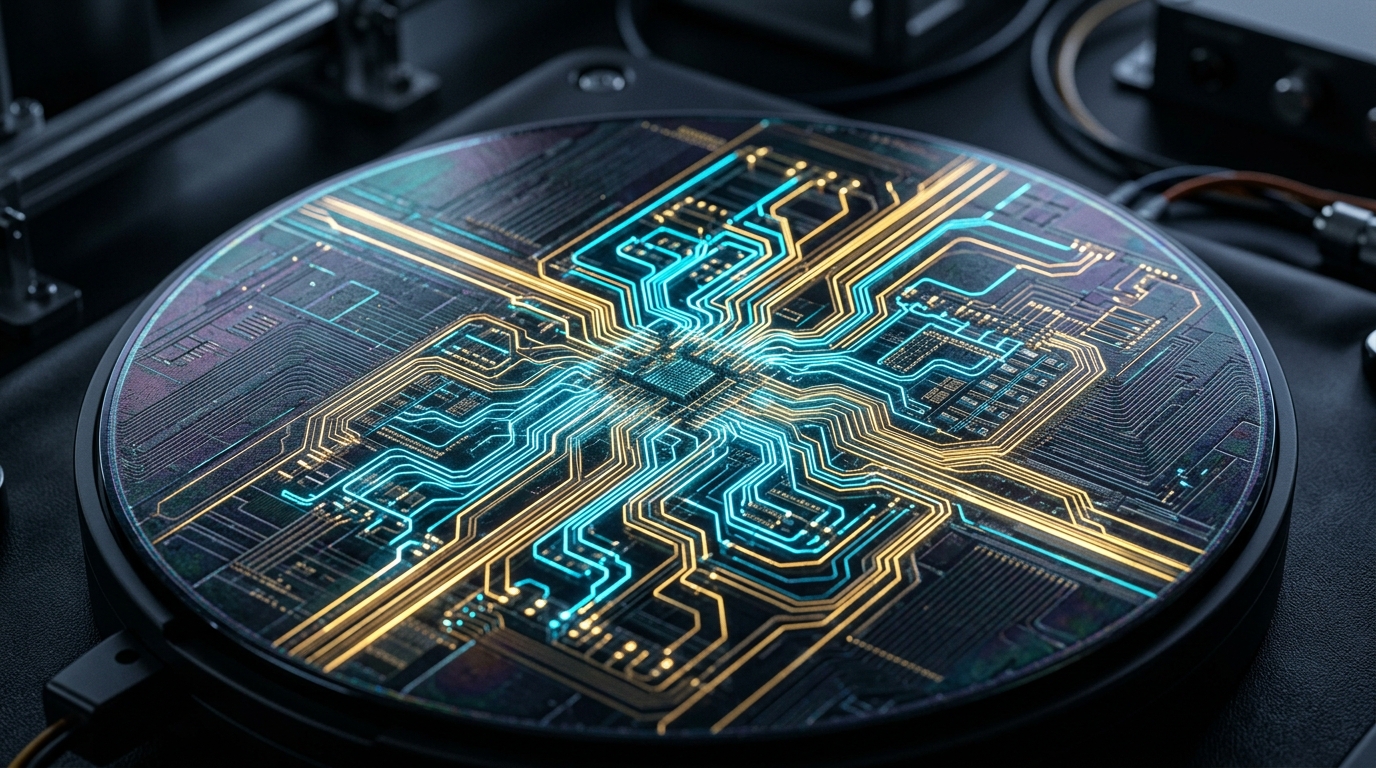
2. Industrial-Scale AI: The Full-Factor Infrastructure Support System
The AI competition extends beyond algorithm tuning—it is a comprehensive test of national industrial capability. China's AI model is distinguished by a tightly integrated physical and institutional support structure:
Compute Foundations and Cross-Regional Scheduling
Through nation-scale engineering initiatives like "East-to-West Computing," China has built high-density, interconnected artificial intelligence computing centers (AICCs). Centralized scheduling drastically lowers the cost per token for both trillion-parameter training and massive concurrent inference.
Hardware Ecosystem and Software Co-Optimization
Navigating global supply chain dynamics has accelerated the iteration of domestic semiconductor hardware and software stacks. From hardware acceleration cards to compiler toolchains, frontier open-source models like Kimi K3 are solidifying an end-to-end hardware-software ecosystem.

Energy Resilience: Power Grids and Renewable Integration
The ultimate bottleneck of artificial intelligence is energy. Training and deploying trillion-parameter models consume immense electric power. Backed by ultra-high-voltage (UHV) transmission networks and massive solar, wind, and hydro capacity, the integration of green energy and compute guarantees continuous, low-cost power for ultra-dense datacenters.
3. Productivity Integration: Deep Penetration into Real Industries
Unlike pure B2B SaaS models, China's AI approach prioritizes application-driven integration into physical industries—spanning smart manufacturing, autonomous driving, cross-border e-commerce, and multi-modal creative production.
To experience the power of multi-modal generative models directly inside your browser, interact with our real-time studio editor below:
4. Conclusion and Outlook
The open-source release of Kimi K3 highlights a pivotal milestone in the era of multi-trillion parameter models. As compute costs continue to drop and global open-source communities expand, a more accessible, efficient, and interconnected artificial intelligence ecosystem is rapidly taking shape worldwide.